
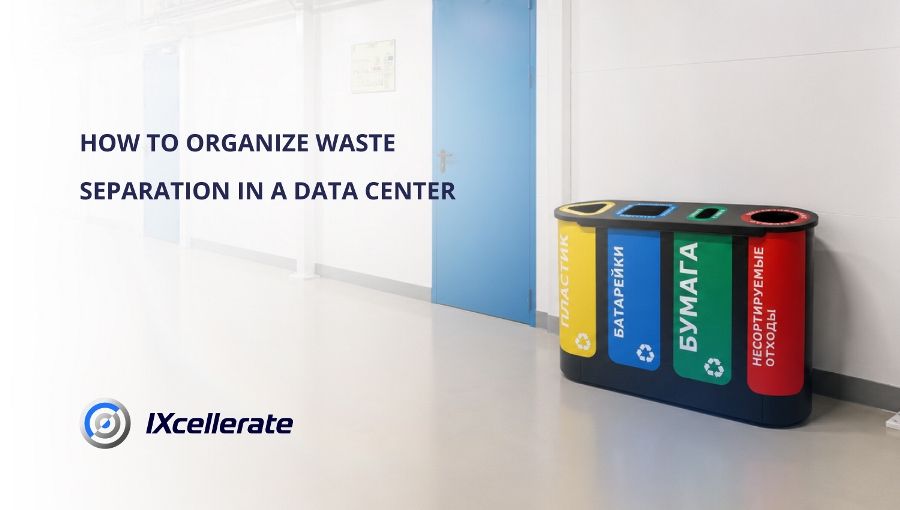
When discussing “eco-friendly” or “green” data centers, the first thoughts often revolve around reducing harmful emissions, utilizing alternative energy sources, and implementing energy-saving technologies.
However, what else can a data center do to support environmental sustainability?
The answer may not be obvious: effectively organizing waste sorting and disposal. This context encompasses not only decommissioned equipment (e.g. servers, remnants of electrical and electronic devices, batteries), the disposal of which is strictly regulated by law.
Modern data centers generate a significant amount of household waste: cardboard and plastic packaging, paper and organic waste, operational and construction materials, and more. In this article, we will discuss how to establish effective sorting and disposal processes for household waste in data centers.
Barriers: local and urban context
In Moscow, the so-called “waste reform” introduced a dual-stream waste collection system in 2020, which separates all waste into recyclables and mixed waste. While the system is evolving, not all its components currently function flawlessly. Among the main challenges are the lack of infrastructure. Often, sorted waste gets mixed again during transportation, and operators may not adhere to standards, complicating the search for and selection of contractors.
Within data centers, these issues are exacerbated by the lack of available space, large volumes, and the variety of waste types. However, solving the problem does not solely hinge on the lack of containers and space for their placement. Key success factors include fostering an ecological culture and implementing digital tools to organize the process.
Step-by-Step plan: 6 steps to success
Implementing waste separation requires adherence to strictly defined scenarios.
Step 1: Audit
Initially, it is essential to conduct a waste audit to understand its composition, categories (packaging, plastics, metals, etc.), generation points, and logistics features. Based on this data, locations for container placement are identified, an operator with a transparent sorting process is selected, and opportunities for repurposing (e.g., packaging materials) and recycling are determined.
Step 2: sorting system
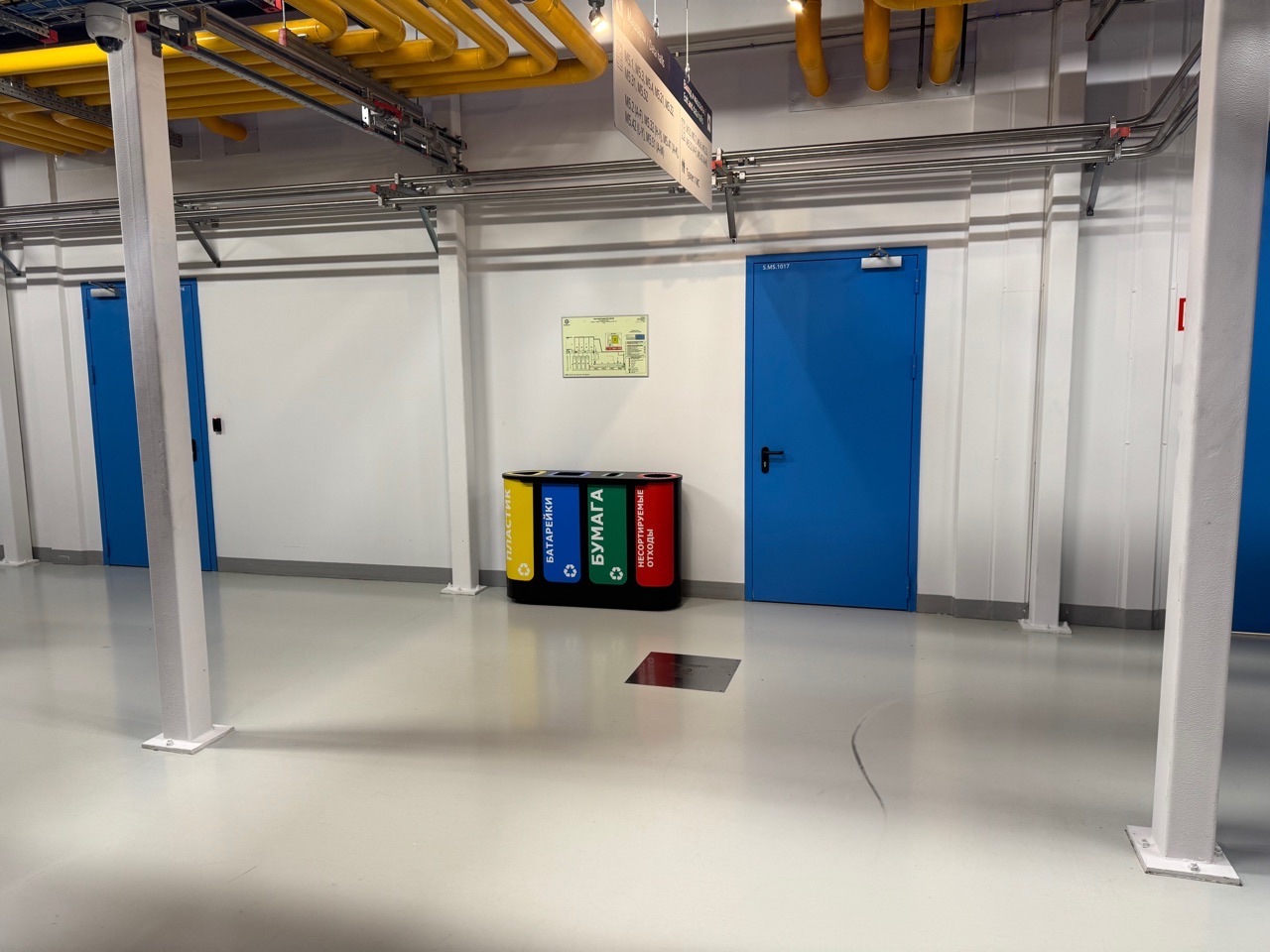
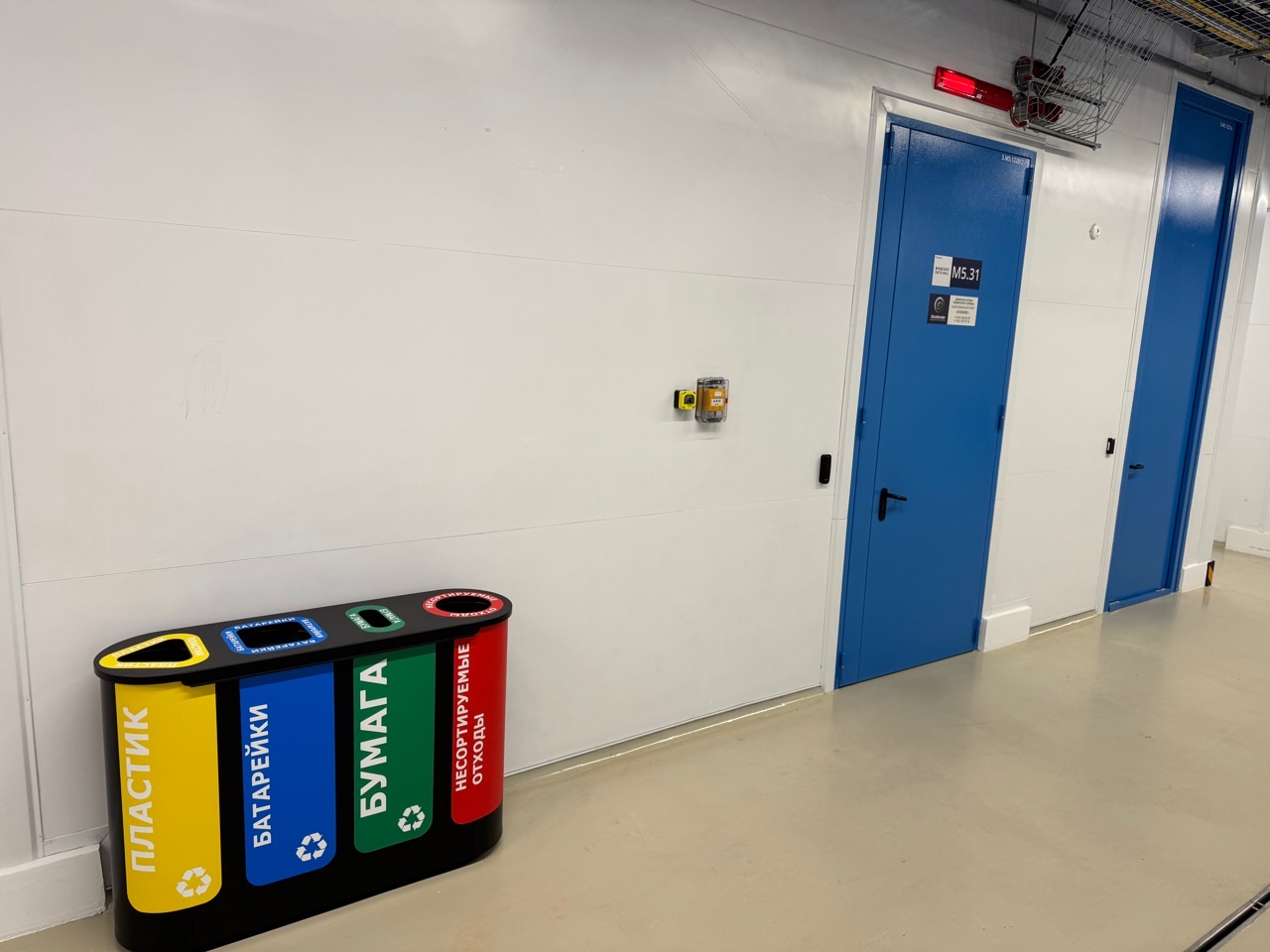
Implementing a comprehensive sorting system involves installing clearly labeled containers for specific waste categories: paper/cardboard, plastics, metals (e.g., rack components), wooden pallets, and others. The next phase in realizing “green” programs could involve developing dedicated temporary storage and sorting points for recyclables within the data center premises.
Step 3: selecting contractors
After auditing and sorting, the next step is to explore and evaluate contractors capable of ensuring proper transportation, guaranteeing eco-friendly disposal, having well-equipped facilities, and employing qualified personnel. Today, this is one of the most challenging stages due to limited options; data centers cannot manage this independently.
“Save a Tree” and “Paper Return” projects, the company has transferred 3,212 kg of waste paper for recycling.
These initiatives have helped save 66 trees, conserve 5,458 kWh of electricity, and save 64,240 liters of water.
Step 4: regulation
No business process will operate effectively without regulation. For everything to function smoothly, sorting regulations must be integrated into the corporate culture: clarify standards for service personnel, assign areas of responsibility, develop clear instructions and motivational programs aimed at engaging people in the process; regularly conduct training sessions and workshops.
Step 5: digitalization
Digital technologies can be effective allies in achieving the set goals—video devices and cloud platforms for tracking volumes, documenting violations, and analyzing collection dynamics. Digital monitoring will not only help identify problem areas but also provide clear reporting. In the foreseeable future, we can expect the automation of waste accounting and sorting systems.
Step 6: promoting results
Regularly informing participants about achievements, conducting internal competitions, and publishing reports are essential conditions for fostering an environmentally-oriented corporate culture.